

We’ve all seen the classic image: a happy dog, tail wagging, proudly chewing on a big bone. It’s practically hardwired into how we picture dogs — but is it actually safe to let your pup gnaw on a bone?
The answer isn’t a simple yes or no. While some bones can be given under specific conditions, others pose serious health risks. At Medipups, our goal is to keep things clear, practical, and backed by facts — so here’s what you really need to know before handing your dog a bone.
🐶 Are Bones Safe for Dogs?
It depends on the type of bone, how it’s prepared, and your dog’s health and chewing habits. While bones can provide enrichment and even trace minerals, they also come with risks — some minor, some very serious.
In general, raw bones may be safer than cooked ones, but even raw bones aren’t without issues. Cooked bones are typically a hard no — we’ll explain why in a moment. Before giving any kind of bone, it’s essential to know what could go wrong.
⚠️ Why Cooked Bones Are a Bad Idea
Cooked bones — like those left over from rotisserie chicken, steak night, or ribs — may seem like an easy treat, but they’re one of the most dangerous things you can give your dog.
Cooking causes bones to become brittle. When chewed, they can easily splinter into sharp shards, which may lead to:
- Punctures in the stomach or intestines
- Choking hazards or blockages
- Severe oral injuries
- Painful constipation from bone fragments
Even small bones, like those from chicken wings or pork ribs, can splinter and cause internal damage. That’s why veterinarians universally advise against giving dogs cooked bones — no matter how big or small.
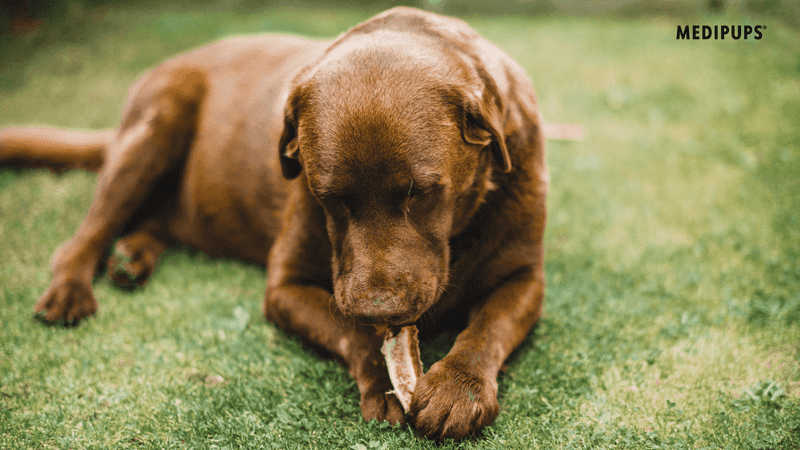
🥩 What About Raw Bones?
Raw bones are sometimes considered safer, but they’re not risk-free either. Some people feed raw meaty bones as part of a raw diet, but it’s important to know how to do it properly — and when not to do it at all.
If you’re giving raw bones, here are a few important rules:
- Size matters: The bone should be large enough that your dog can’t swallow it whole or break it easily.
- Always supervise: Never leave your dog alone with a bone, raw or otherwise.
- Clean and store carefully: Raw bones can carry bacteria like Salmonella or E. coli — bad news for both your dog and anyone in your home.
- Avoid weight-bearing bones (like femurs from cows) if your dog is a heavy chewer — these are dense and can cause broken teeth.
Even with the right precautions, some dogs are just better off with safer alternatives. If your dog gulps food, has dental issues, or a sensitive stomach, raw bones may still cause problems.
🚫 Bones You Should Never Give
To keep it simple, here are the types of bones you should always avoid:
- Cooked bones of any kind
- Chicken wings, drumsticks, or turkey bones
- Pork chop or rib bones
- Fish bones
- Any bone small enough to be swallowed whole
These bones are all prone to splintering, breaking, or causing digestive blockages.
✅ Safer Alternatives to Bones
If you’re looking to satisfy your dog’s natural chewing instinct without the risks, there are plenty of better options:
- Rubber chew toys – Durable, long-lasting, and safe for most chewers.
- Dental chews – Designed to reduce plaque while offering chewing satisfaction.
- Natural chew alternatives – Like bully sticks, collagen sticks, or vet-approved rawhide alternatives.
- Frozen carrots or sweet potatoes – Great for teething puppies or light chewers.
These offer stimulation without the potential for broken teeth or GI emergencies.
🐾 Are Bones Ever a Good Idea?
In some cases, raw bones may be okay for healthy adult dogs under strict supervision. But even then, it’s best to check with your vet first — especially if your dog has any history of digestive issues, pancreatitis, food guarding, or dental damage.
Every dog is different. Some are gentle nibblers, others are bone-destroying beasts. Know your dog’s chewing style before trying anything risky.
🧠 Final Thoughts: Think Twice Before You Toss That Bone
Just because a dog can chew on bones doesn’t mean they should.
While the idea is rooted in tradition, modern veterinary guidance is clear: the risks of bones — especially cooked ones — often outweigh the benefits. That doesn’t mean your pup has to miss out on chewing altogether. There are safer, healthier, and more fun alternatives that protect your dog’s health and keep them happily occupied.
When in doubt, skip the bone and reach for a vet-approved chew instead.